plus size banner 2plus size banner
Supporting plus size and bariatric individuals requires careful consideration of safety, dignity, and appropriate equipment.
 
This learning hub brings together guidance, training videos, and resources to support safe moving and handling for plus size people, including the use of slide sheets and bariatric in-bed systems.
 
Whether you are reviewing best practice, refreshing training, or selecting appropriate equipment, this page is designed to support safer outcomes for both patients and carers.
 

When Undertaking Any Slide Sheet Manoeuvres/Moving & Handling Tasks:

1. Make sure you have done your own risk assessment and that the technique being used is appropriate.
 
2. Or follow the handling plan from somebody who has done a risk assessment.
 
3. Check all equipment for any signs of wear and tear prior to use.
 
4. Always check equipment weight limits and manufacturer instructions before use.

Be aware that some standard moving and handling equipment may not be suitable for plus size individuals, and equipment specifically designed to support higher weights or wider body sizes may be required. 

5. Consider additional factors such as available space, staffing levels, and the individual’s mobility and comfort, ensuring that dignity and safety are maintained at all times.


Bariatric slide sheets facilitate the safer repositioning and lateral transfer of plus-sized patients by reducing friction between the patient and the underlying surface. These manoeuvres represent some of the most frequently performed moving and handling tasks within UK hospitals and care facilities. When executed correctly with appropriate equipment, they promote client comfort, preserve dignity, and enhance safety for both patients and healthcare professionals. Slide Sheets are particularly valuable in circumstances where friction reduction is critical to minimising physical strain and preventing skin injuries.

Reducing Risk of Patient Harm
Bariatric slide sheets help minimise friction and shear forces acting upon the skin, a crucial consideration for plus-sized individuals who may face heightened vulnerability to pressure damage and skin breakdown. By reducing shear forces, these devices support patient comfort, help preserve skin integrity, and contribute to enhanced care quality and clinical outcomes.
Reducing Risk of Staff Injury
When incorporated into comprehensive risk assessments and safe systems of work, bariatric slide sheets support improved manual handling techniques by significantly reducing the physical effort and biomechanical load required. This helps protect healthcare staff from musculoskeletal disorders and workplace injuries when repositioning or transferring plus-sized patients.
Appropriate Sizing, Accessibility and Versatility
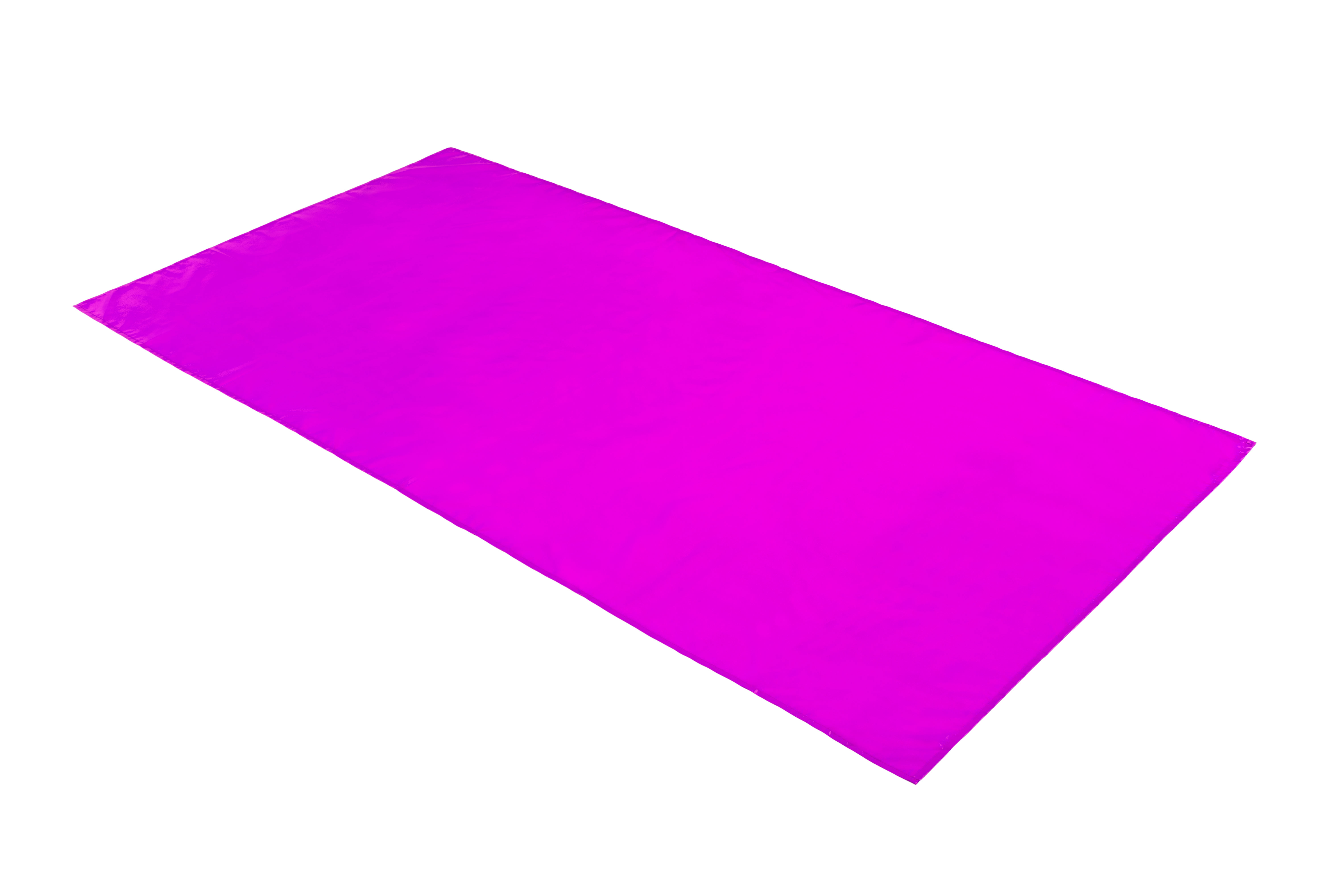
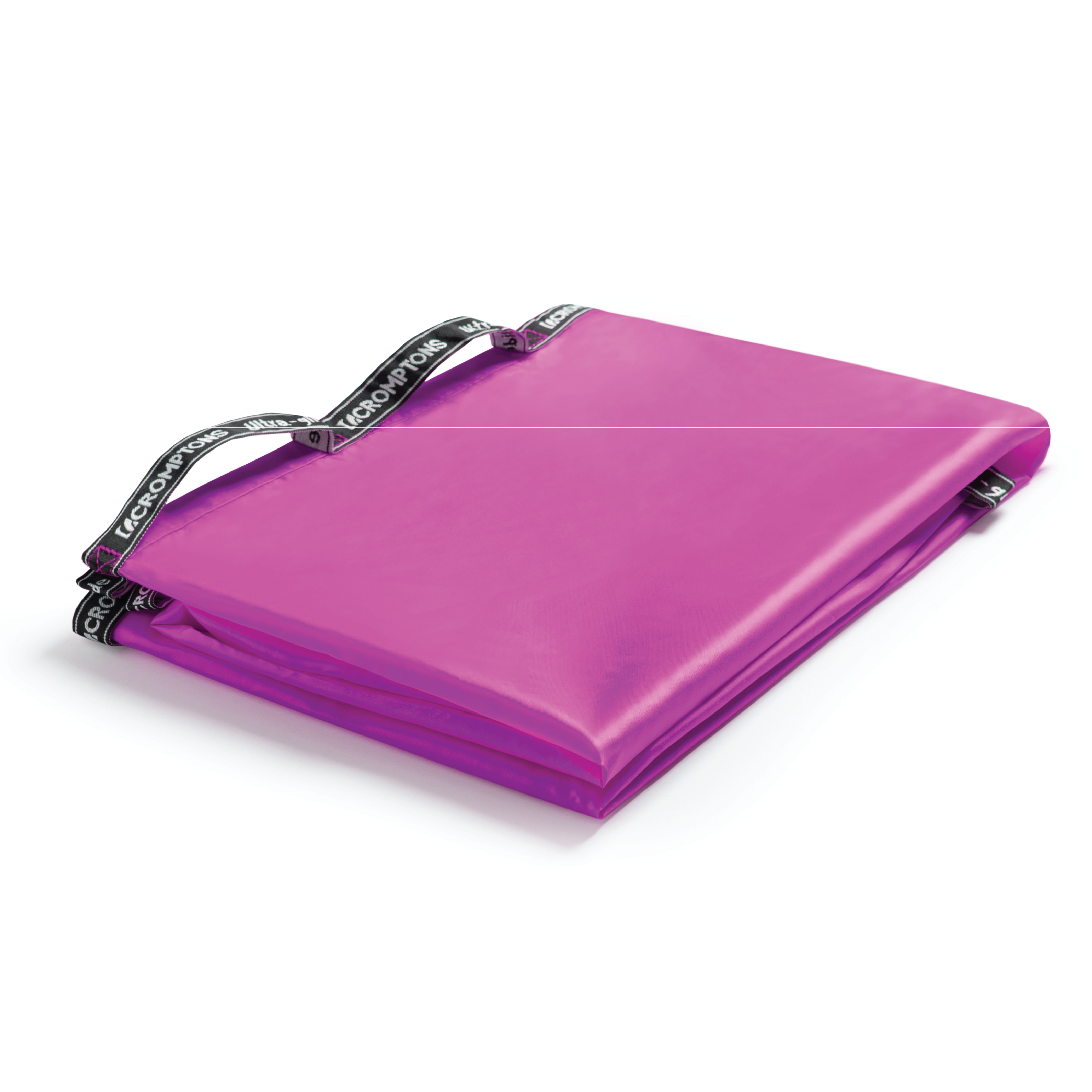
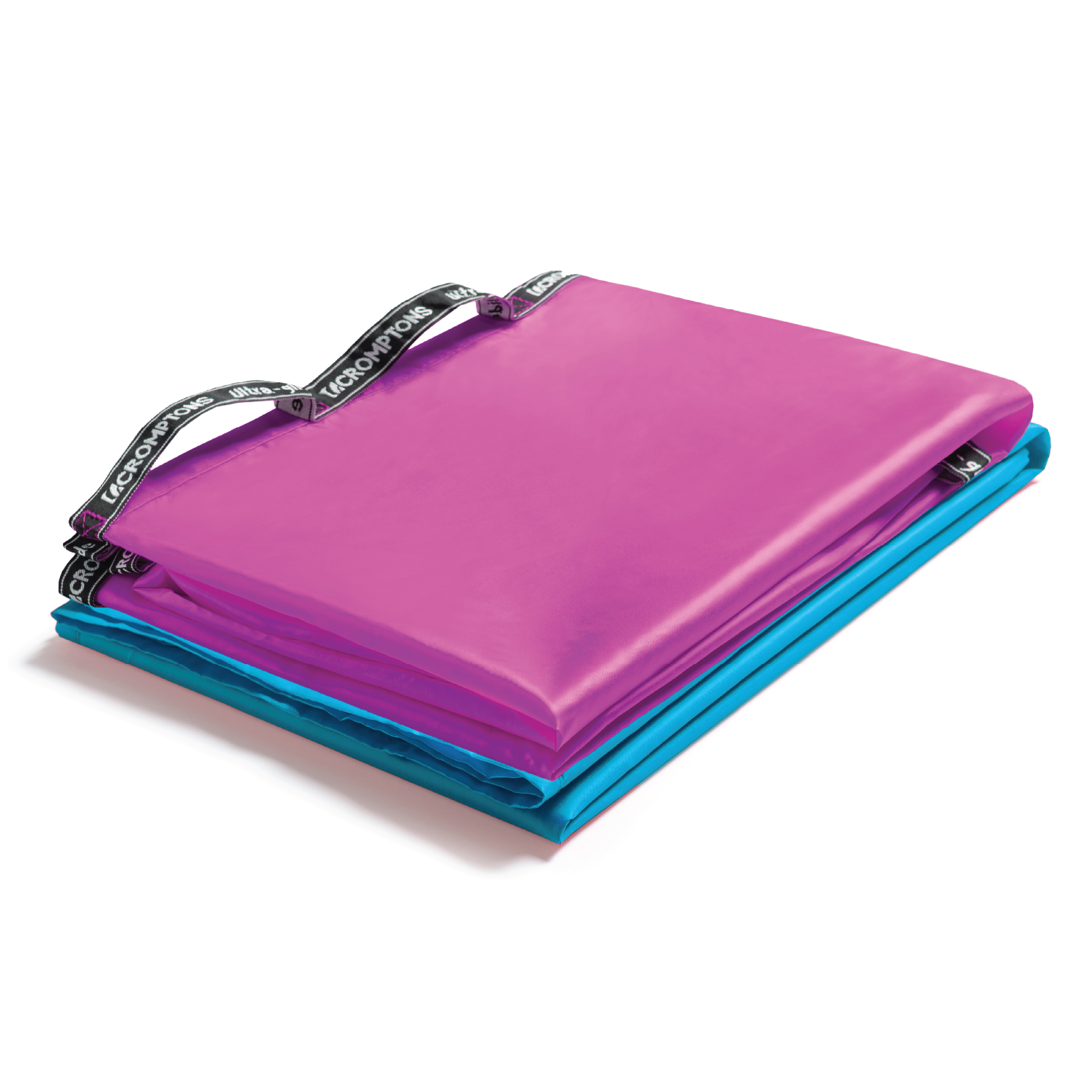
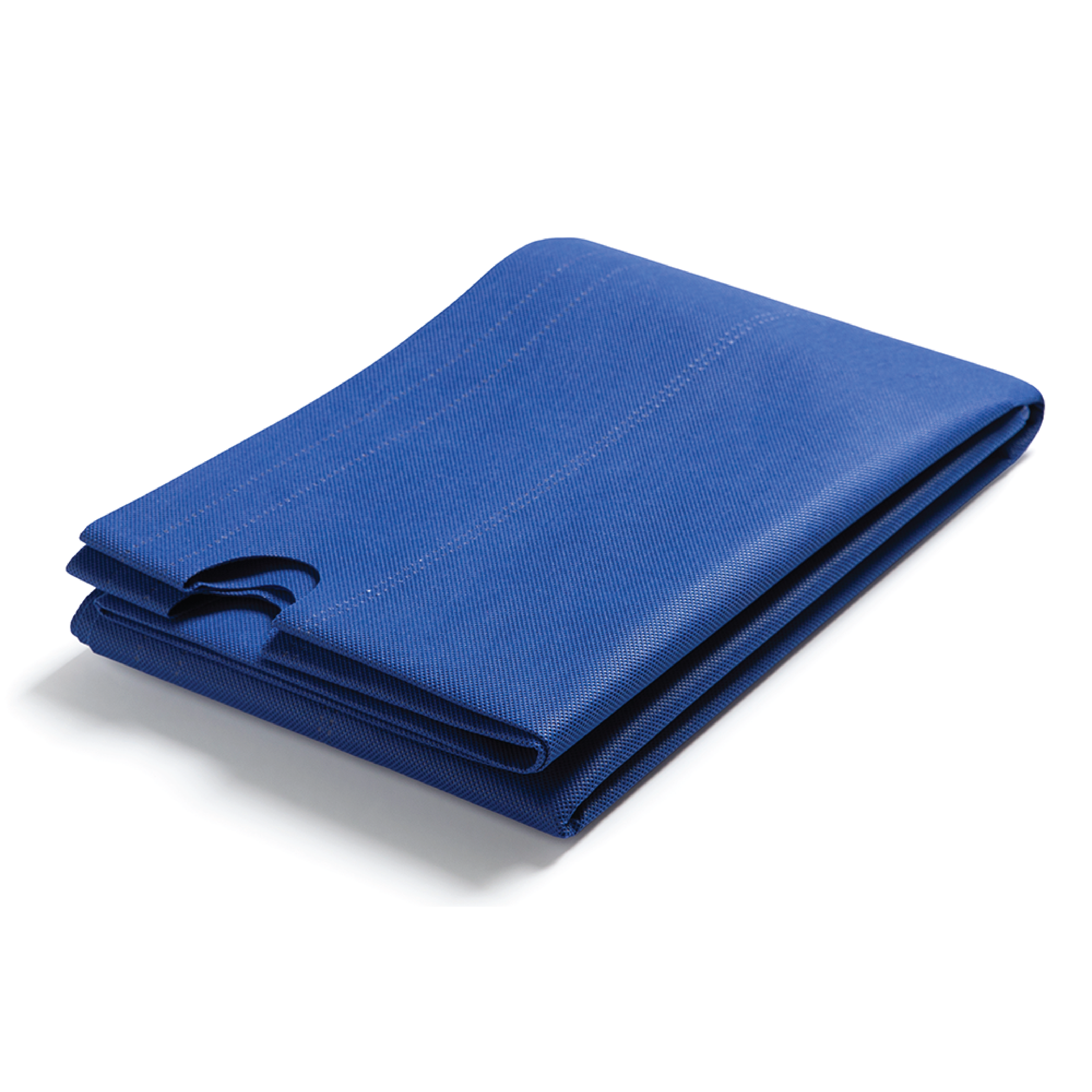
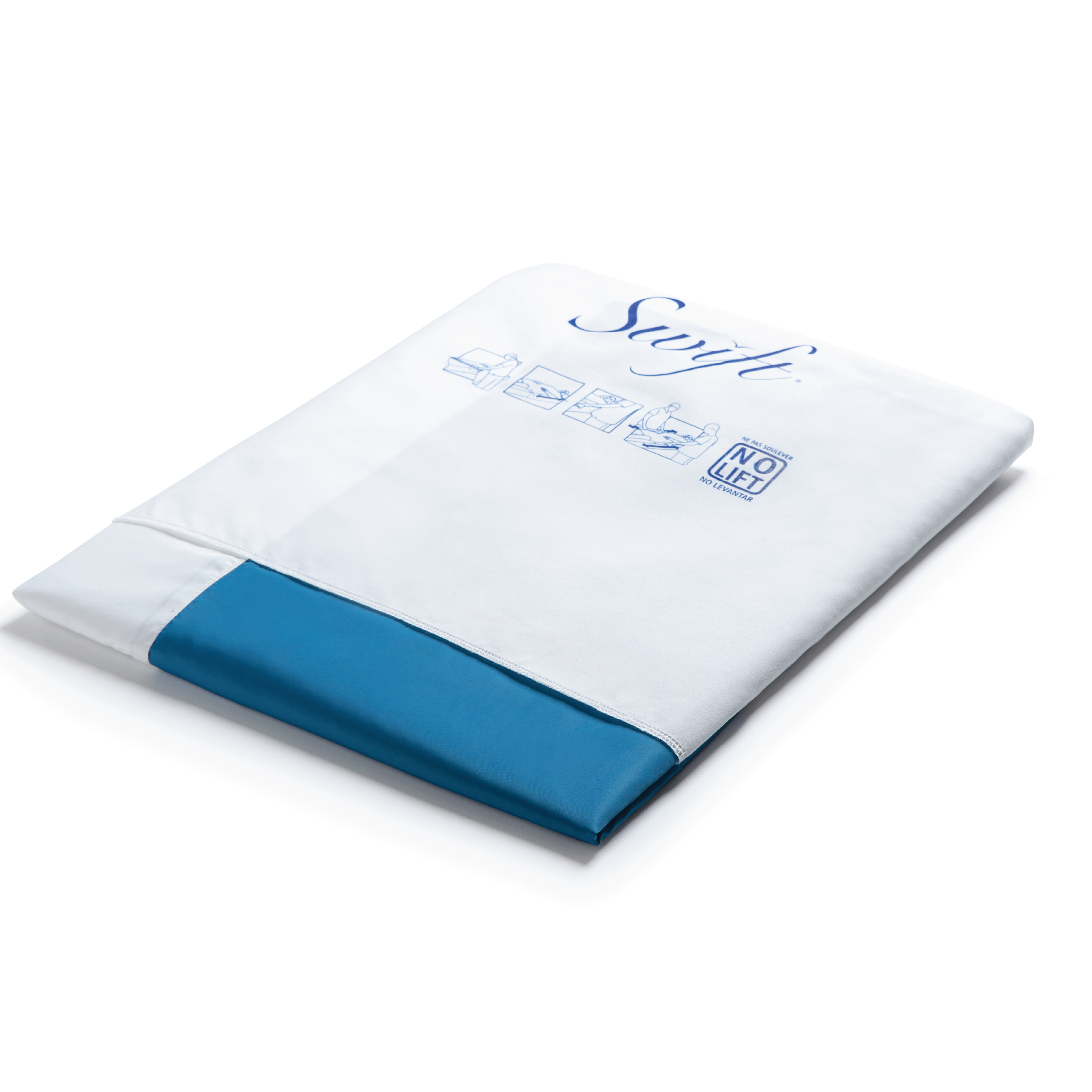
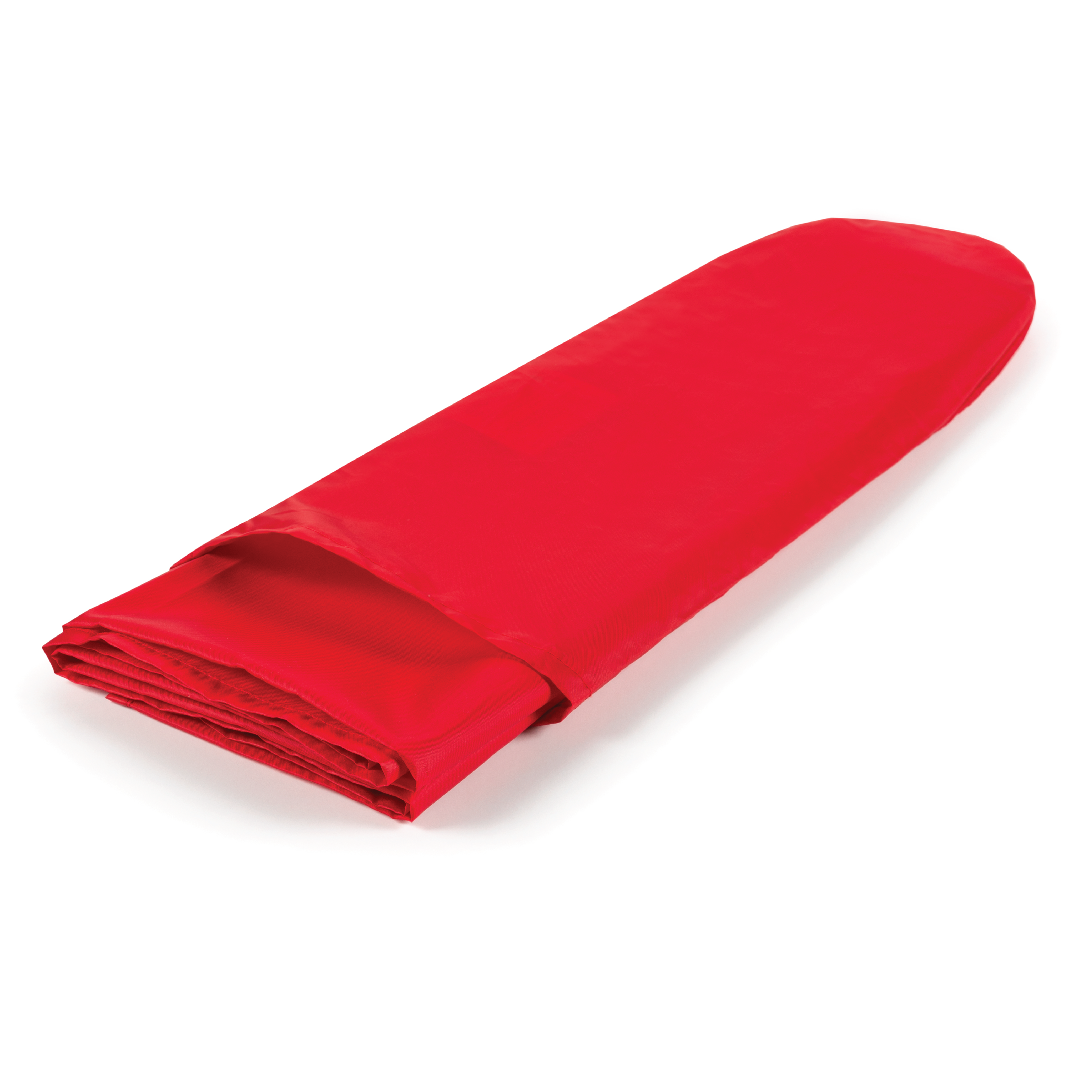
Complimenting Cromptons Healthcare by MIP’s range, Bariatric slide sheets are available in an range of sizes, designs, and materials to accommodate varying clinical needs and patient-specific risk assessments. When caring for plus-sized individuals, it is essential to select slide sheets of appropriate dimensions and specification, ensuring strict adherence to safe working load limits and manufacturers' guidance at all times. Available options include flat or tubular designs, reusable (launderable) or single-patient use variants, and extra-wide bariatric specifications designed to support best practice in patient handling.
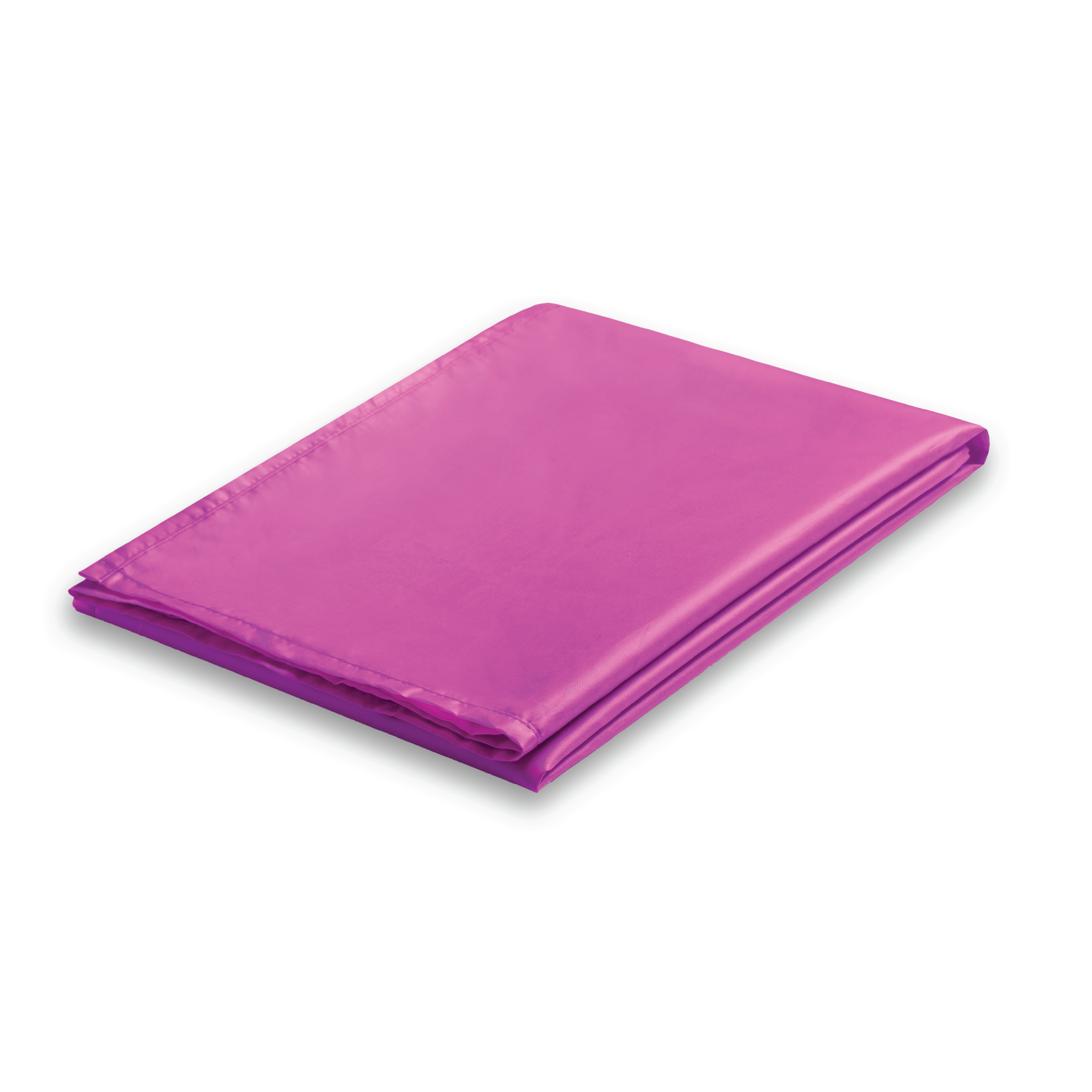
Lilac-Flat-Slide-Sheet-3-1


Lilac Slide Sheet Flat resized
Flat Patient Specific Bariatric Slide Sheet
Lilac-Tubular-Folded resized
Tubular Patient Specific Bariatric Slide Sheets
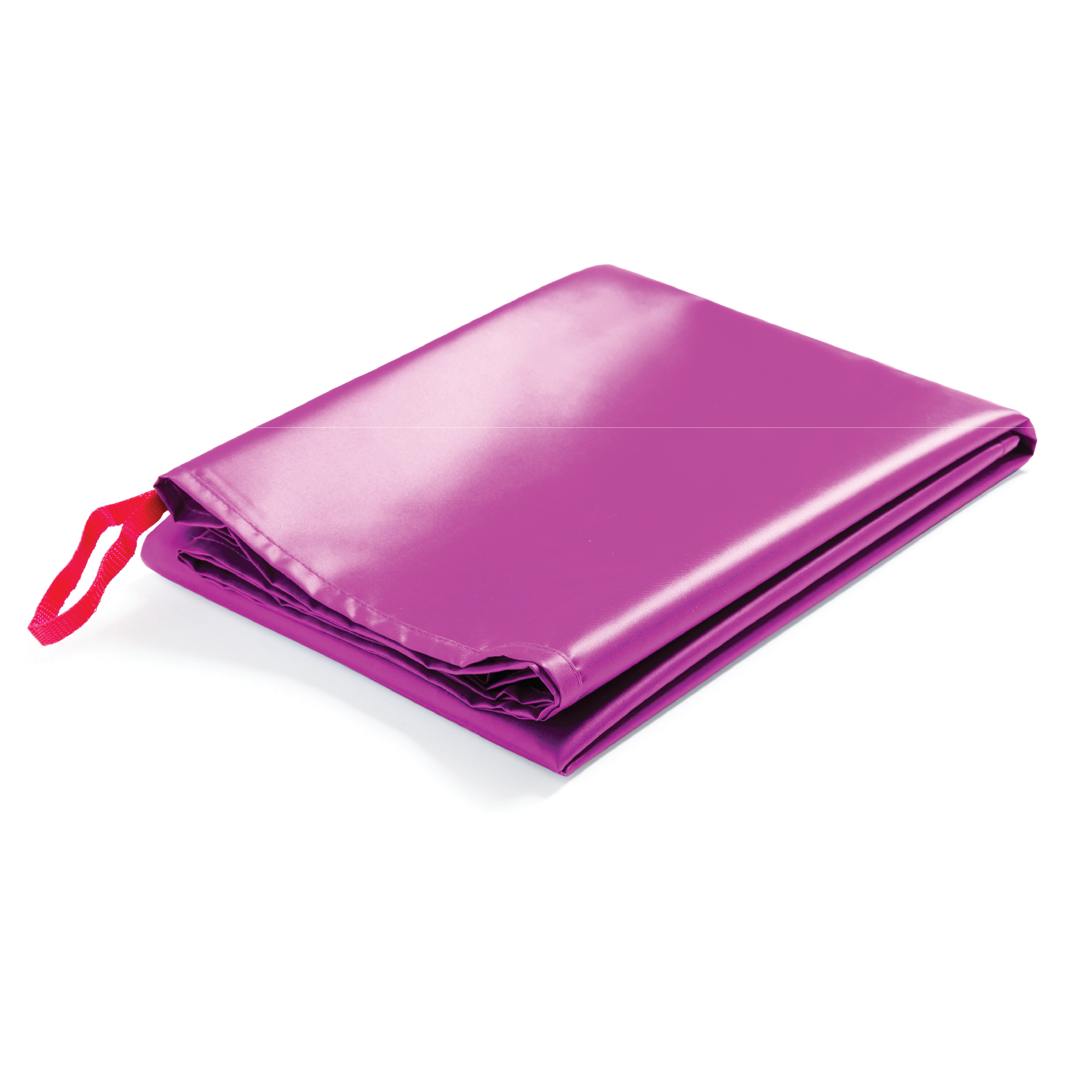
Lilac-Slide-Sheet-Folded with Handles resized
Flat Patient Specific Bariatric Slide Sheets - With Handles
PSF200140HN resized
Ready-to-Go Patient Specific Bariatric Slide Sheet Pack
jc100 resized
JC100 Patient Transfer Sheet
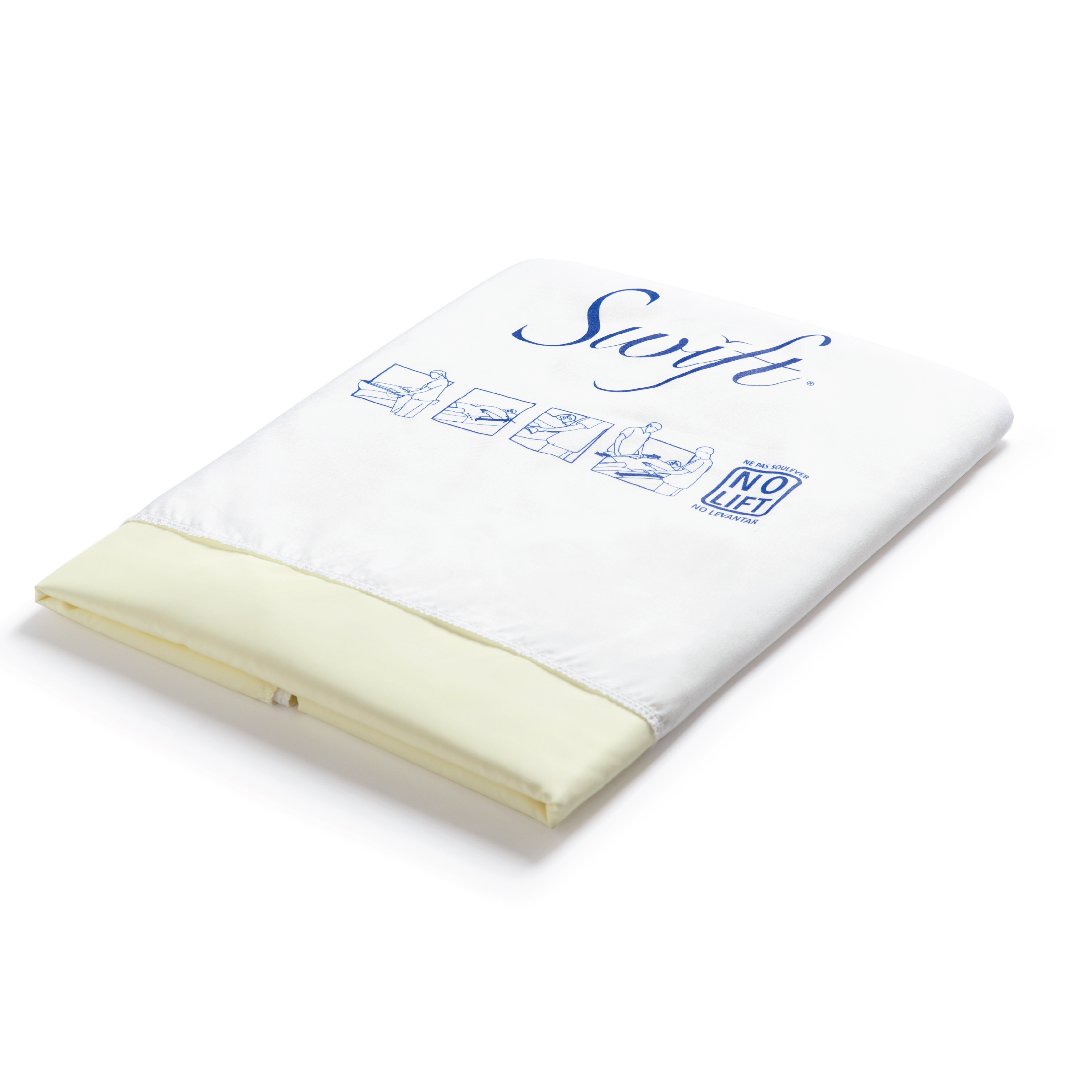
swift long
Swift® Slider
swift slide
Swift® Slider with Handles
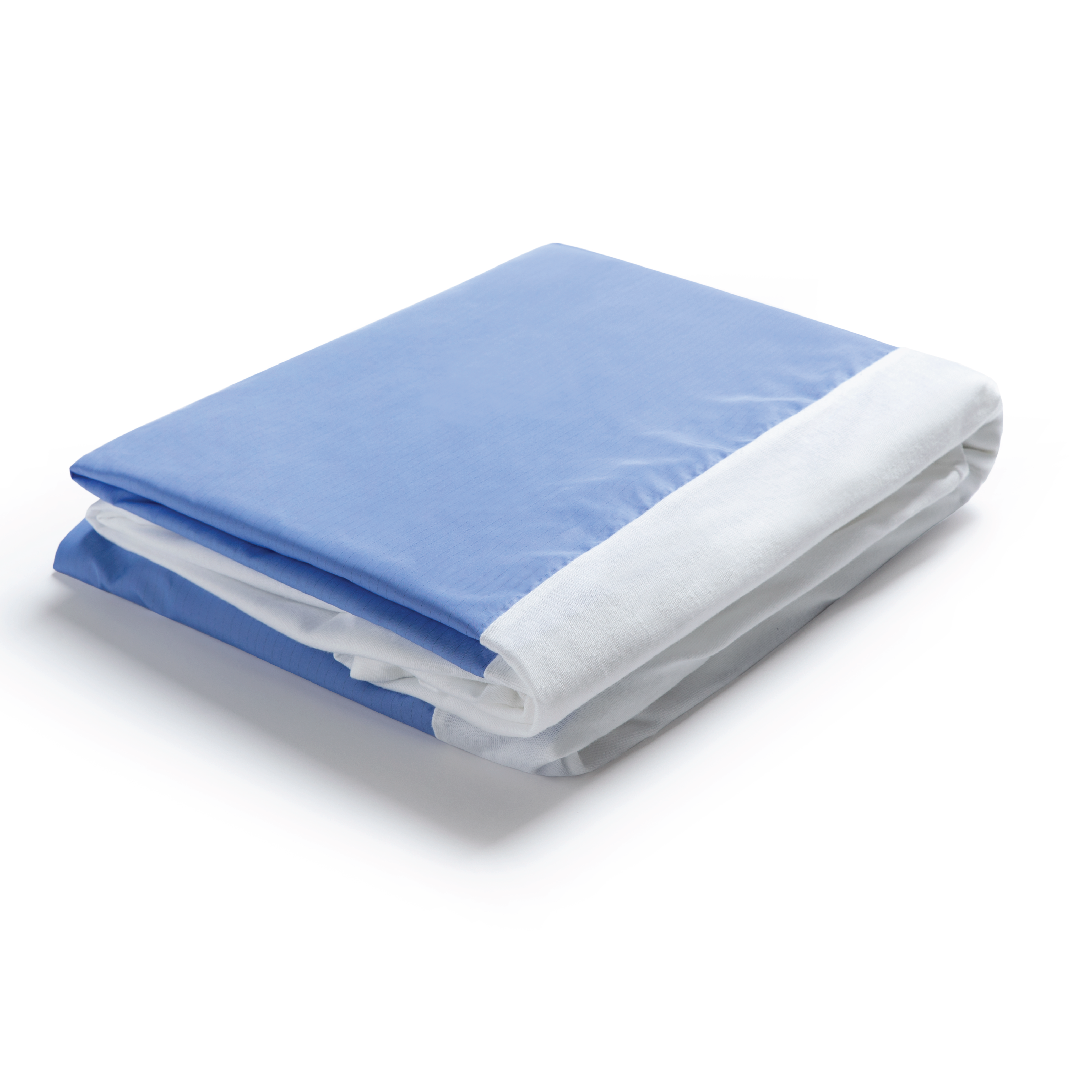
swift ultraslide
Swift® UltraSlide® Bottom Sheet
slide sheet glove
Slide Sheet Glove
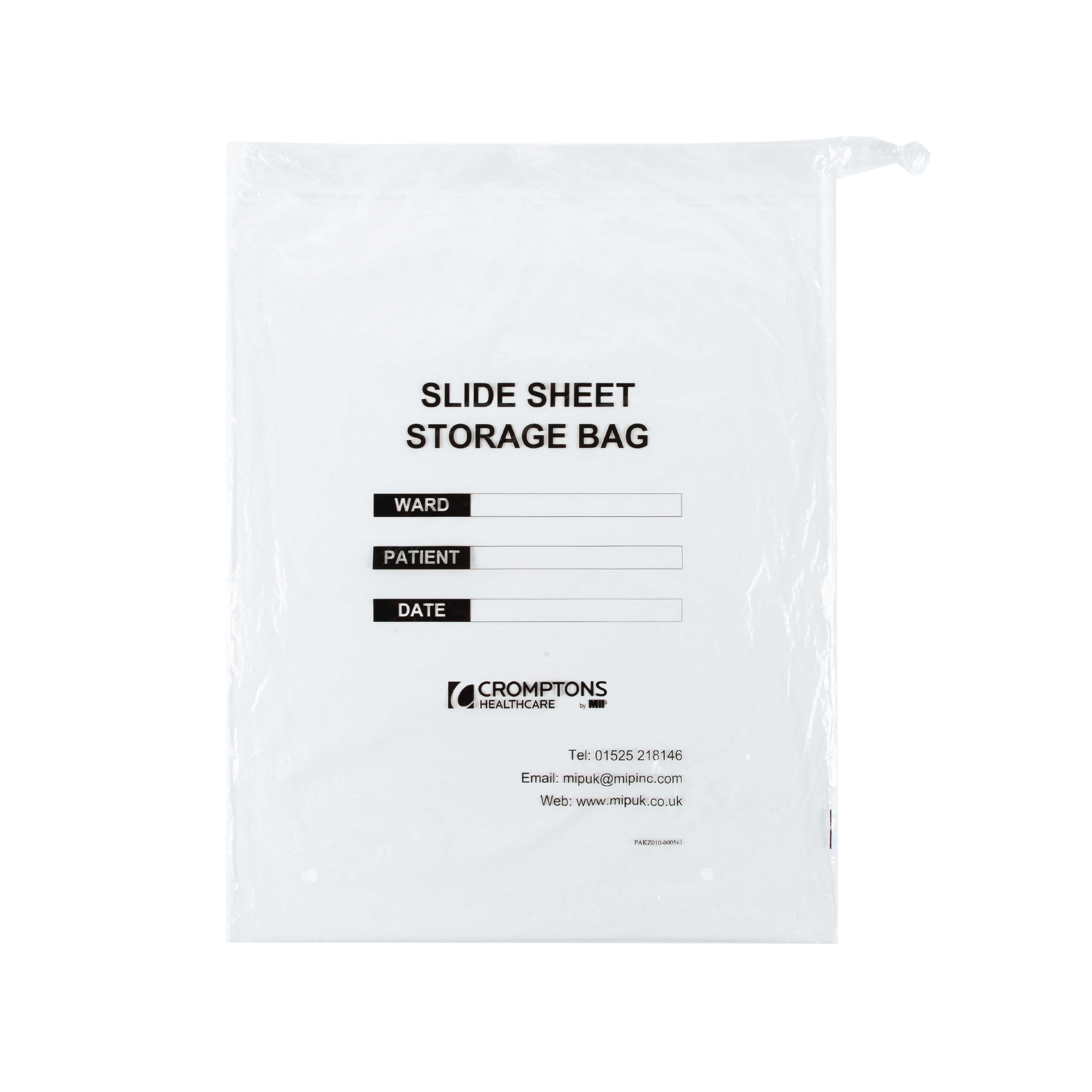
Slide Sheet Storage Bag
extension handle
Extension Handle


Julia Love RGN ONC, Advanced Member of NBE

Julia qualified as a Registered General Nurse at Guy’s Hospital in 1985, following Orthopaedic nurse training, and developing an early interest in safer moving & handling, becoming the moving and handling trainer for students, care assistants and qualified staff as a newly qualified staff nurse.

She started LPS Training with her physio husband in 1992 and currently delivers a variety of manual handling training in health, social care and special education settings. She also undertakes individual risk assessments, delivering bespoke training for the carers and family of clients with complex handling issues. 

Julia was an author and co-editor of the Handling of People (HOP), 6th Edition writing the chapter on Safer Hoisting and is a co-author for the risk assessment chapter in the 7th HOP. Julia led a small working party to re-write the Skills for Health Moving and handling e-learning modules and led a group to revise the Moving and handling element of the Core Skills Training Framework.

She remains an active member of her local National Back Exchange group, having Chaired the group, as well as spending time on the National Executive Committee, as a Regional Officer, National Secretary and NBE Chair for 3 years. She is currently the Chair of the NBE Professional Affairs Committee.

Julia Love

Moving and Handling of Plus Size People – An Illustrated Guide

A comprehensive, evidence-based guide covering risk assessment, equipment selection, techniques, and dignity-focused care.

NHS Procedure for the Safer Handling of Heavy / Plus Size Patients

UK clinical guidance outlining safer practice, risk management, and equipment considerations.

Plus Size and Bariatric Manual Handling Training (CPD Accredited)

Additional training options designed to support staff confidence and competence when assisting plus size individuals.

National Pressure Injury Advisory Panel (NPIAP)

Guidance on pressure injury prevention and management.

Association for the Study of Obesity (ASO)

A professional body focused on obesity research, education, and policy, offering science-based insight into obesity prevalence, impact, and multidisciplinary approaches to care.

Obesity UK

A patient-facing charity offering resources and support for people living with obesity, alongside wider public health information and signposting to support networks.


National Back Exchange

National Back Exchange (referred to as “NBE”) is a non-profit membership association whose goal is to develop, disseminate and promote evidence-based best practice in all aspects of moving and handling and musculoskeletal health.

LPS Training & Consultancy

LPS specialise in the delivery of the highest-quality moving & handling training, education and consultancy to organisations and individuals throughout the UK.

CIEHF - Learning from Adverse Events White Paper

The Chartered Institute of Ergonomics and Human Factors (CIEHF) has just released their latest White Paper on 'Learning from Adverse Events' which lays out 9 principles for organisations to follow. The 56-page document is designed to help organisations understand a human factors perspective to investigating and learning from adverse events, and provide key principles organisations can apply to capture the human contribution to adverse events.

CIEHF - Health & Social Care White Paper

The Chartered Institute of Ergonomics and Human Factors’ (CIEHF) vision for integration of Human Factors in Health and Social Care and how Human Factors expertise can help and benefit patients, staff and their organisations. The purpose of this White Paper is to provide the authoritative guide to aid understanding of how Human Factors can and should be used, and the competence and experience needed to manage effort, solve problems and make decisions. It describes how Human Factors can bring a depth and clarity of understanding to Health and Social Care issues.

All Wales NHS Manual Handling Passport Scheme Revised 2020

The All Wales Manual Handling Training Passport and Information Scheme signifies the coming together of Trusts within Wales to work towards a shared vision. It is based on a partnership between the all-Wales Trust Manual Handling Advisers Group and the Health and Safety Executive. The overall purpose is to promote health and safety in the workplace with regard to manual handling practice, by ensuring a consistent approach and the promotion of safer handling practice within NHS organisations in Wales.

Managing for Health and Safety HSE (hsg65 2013)

An HSE publication. One of HSE’s most popular guides is mainly for leaders, owners and line managers. It will particularly help those who need to put in place or oversee their organisation’s health and safety arrangements. The advice may also help workers and their representatives, as well as health and safety practitioners and training providers.

Manual Handling Operations Regulations 1992 Guidance on Regulations HSE (L23 2016) 

An HSE publication. This guidance is mainly for employers, managers, and safety representatives, but may also be useful for employees. The guidance explains how to avoid, assess, and reduce the risk of injury from manual handling.

The Scottish Manual Handling Passport Scheme 2014

The Scottish Manual Handling Passport Scheme (SMHPS) is an initiative designed to improve the standard and consistency of manual handling training / education and the systems (process/procedures) that underpin it within Health Boards and Local Authorities (LA) in Scotland.


MIP provides a comprehensive range of comfortable and dependable products and services to the healthcare industry around the world. We're proud to be recognised and defined as a leader in innovation, forever at the forefront of our customers’ needs.